On this page
Mountain weather can change quickly. A sunny morning can become a cold, windy whiteout by lunch. Check the forecast every day and adapt your plans.
Checking the forecast
- Use the resort app or website: it shows open lifts, temperatures at base and summit, wind and visibility.
- Temperatures drop about 0.6–1 °C per 100 m of altitude — it can be much colder at the top.
- Wind closes high lifts first; beginner areas often stay open.
Flat light and whiteouts
In cloud, fog or heavy snowfall, you lose the shadows that show bumps and slopes. It can feel like skiing inside a white box, and it causes dizziness and falls.
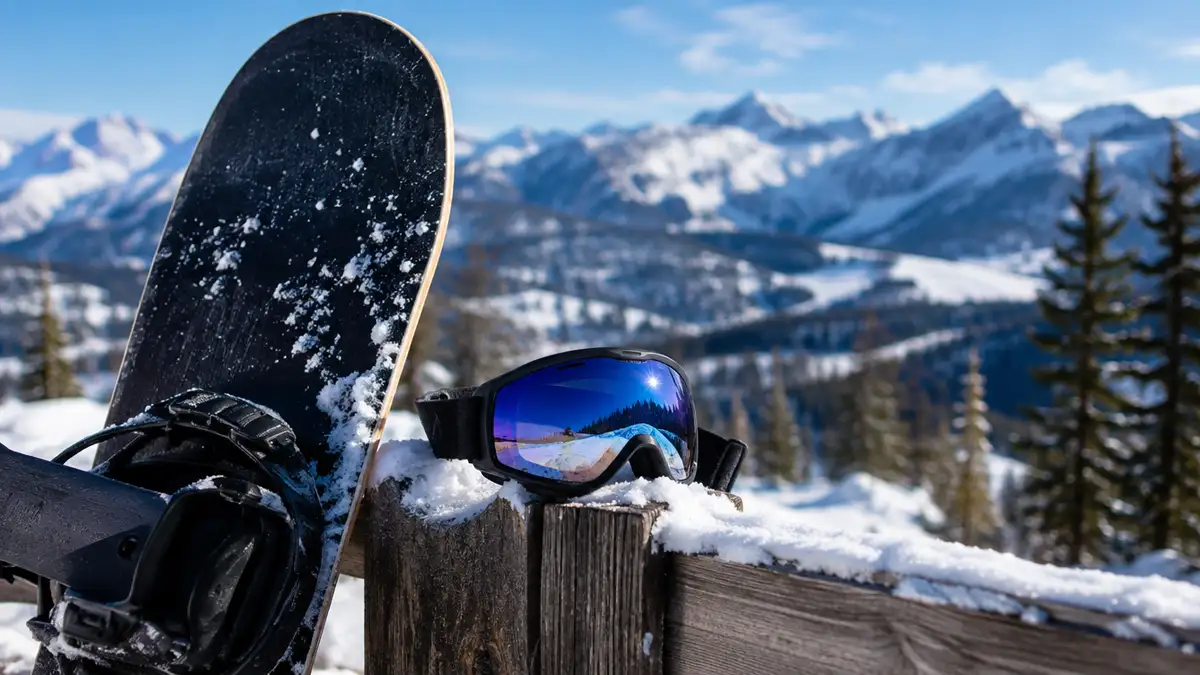
- Use a low-light lens (yellow, pink, clear). See goggle guide.
- Ski runs near trees or with plenty of piste markers — they give contrast.
- Slow down, keep your knees soft to absorb unseen bumps.
- Stay close to your group and follow the piste markers.
- If it’s too bad, go inside for a hot chocolate and wait — it often clears.
Wind chill
Wind makes it feel much colder than the thermometer says. At −10 °C with a 30 km/h wind, exposed skin can feel like −20 °C — and chairlifts create their own wind. Cover your face on lifts and windy days.
Frostnip and frostbite
Frostnip is the early, reversible stage: skin becomes white or grey, cold and numb, usually on the nose, cheeks, ears, fingers or toes.
Frostbite is freezing of the skin and deeper tissue: skin turns hard, waxy, white or grey-yellow and may blister later.
What to do
- Get indoors or out of the wind.
- Warm the area gradually with body heat (hands in armpits) or lukewarm (not hot) water.
- Don’t rub the skin or use direct heat like radiators or fires.
- Seek medical attention for anything beyond mild frostnip.
Check each other’s faces on cold days — you often can’t feel it yourself.
Hypothermia
A dangerous drop in body temperature. Risk increases with wet clothing, wind, exhaustion and alcohol.
- Early signs: intense shivering, clumsiness, slurred speech, confusion, apathy.
- Severe signs: shivering stops, drowsiness, loss of consciousness — a medical emergency.
What to do: get the person out of the cold, replace wet clothing, wrap them in dry layers, give warm sweet drinks if they are fully conscious, and call for help.
Hot days: spring skiing
Late season brings sunshine, slush and higher avalanche risk off-piste in the afternoon. Wear lighter layers, drink more water and protect yourself from the sun. See spring skiing and sun safety.
Lightning and storms
Rare in winter, but possible in spring. If a storm approaches, get off lifts and exposed ridges immediately.