On this page
Skiing and snowboarding injury rates are fairly low — a few injuries per thousand skier days — and falling in soft snow usually causes nothing more than a bruise. Still, the typical injuries differ between the two sports, and most can be prevented.
This is general information, not medical advice. If you’re injured, get assessed by a medical professional.
Skiers: knee injuries
The knee is the most commonly injured body part in skiing. MCL sprains (inside of the knee) are frequent in beginners holding a snowplough; ACL tears often happen in backward-twisting falls where the ski acts as a lever.
Prevention
- Have your bindings set correctly by a technician — honestly declared weight and level.
- Don’t sit back: when falling, keep arms forward, feet together, and don’t try to get up while still sliding.
- Don’t fight a fall with straight legs.
- Strengthen quads, hamstrings and glutes (fitness plan).
- Stop when tired — many knee injuries happen in the late afternoon.
Snowboarders: wrist injuries
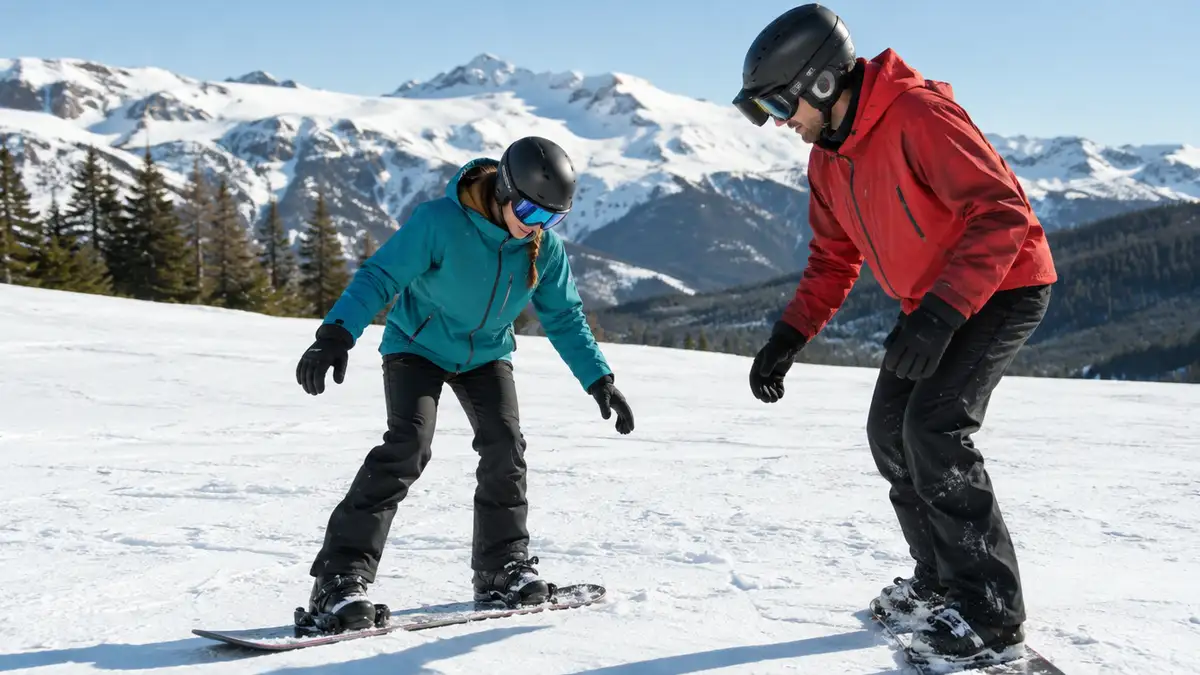
Wrist sprains and fractures are the most common snowboard injuries, especially in the first days, from falling onto outstretched hands.
Prevention
- Wear wrist guards — one of the most effective pieces of protection. See protection guide.
- Learn to fall: onto knees and forearms forwards, onto your bum backwards, fists closed.
- Take lessons to reduce falls.
Shoulder injuries
Dislocations and collarbone fractures can happen in both sports from falls onto the arm or shoulder, and from collisions. Falling with arms tucked in helps.
Head injuries
Less common but potentially serious. Causes: collisions, falls on hard snow, trees and park jumps. Wear a helmet (helmet guide), control your speed and follow the FIS code.
Skier’s thumb
An injury to the ligament at the base of the thumb when a pole pulls the thumb back during a fall. Tip: don’t use pole straps too tightly, and let go of the pole when you fall.
Back and tailbone
Snowboard beginners often land on their tailbone. Impact shorts help a lot.
General injury prevention
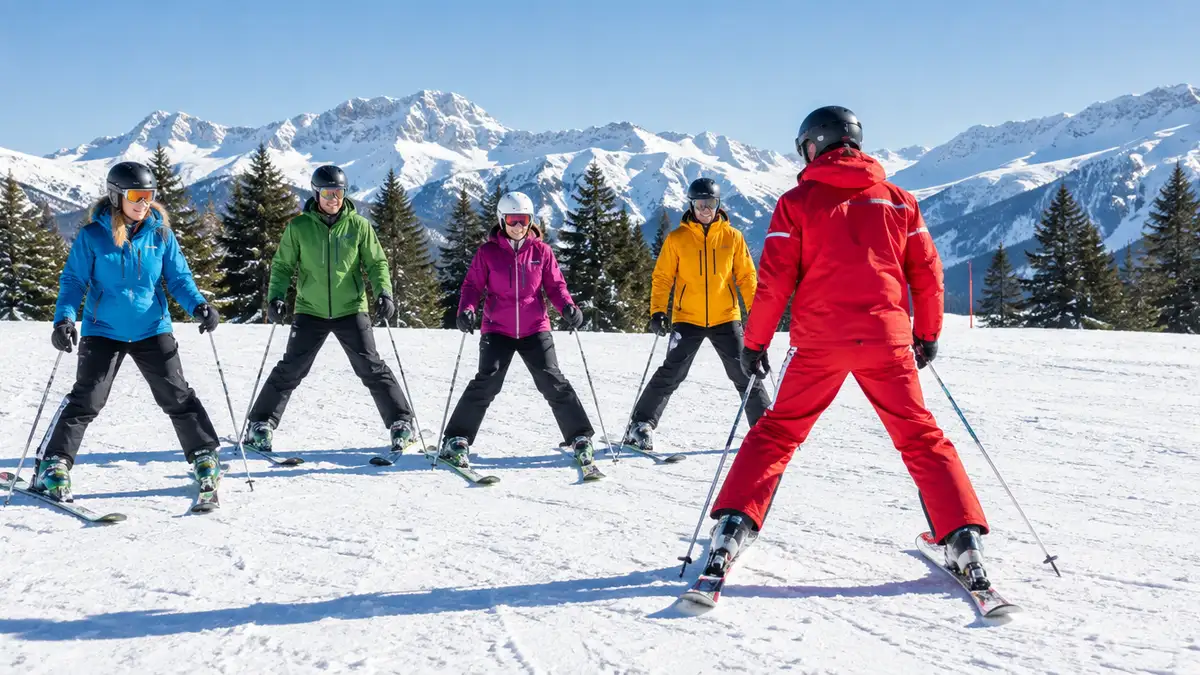
- Take lessons; ride at your level.
- Warm up before the first run.
- Stay hydrated and eat regularly.
- Avoid alcohol while skiing.
- Stop before you’re exhausted.
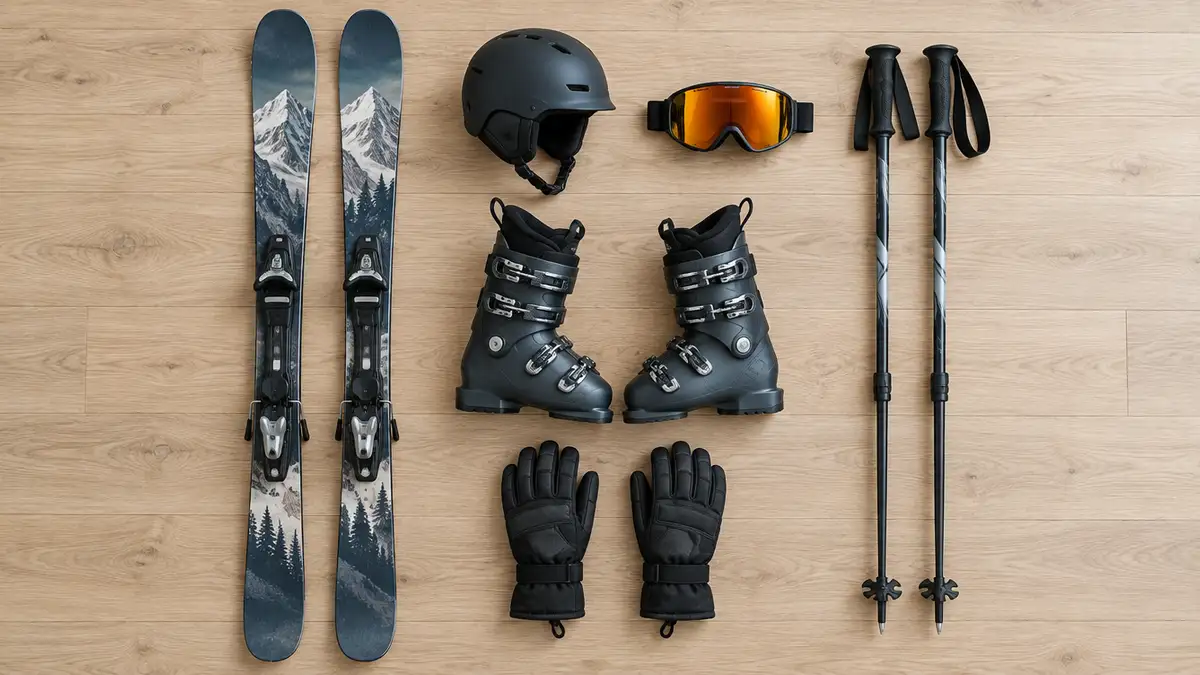
- Check equipment each morning.
- Adapt to snow and visibility.